Posts

Showing posts with the label looking

Western jackdaw (Corvus monedula) juvenile looks in the camera during morning surise golden hour.

Image
Western jackdaw (Corvus monedula) juvenile looks in the camera during morning surise golden hour:

Common linnet (Linaria cannabina) on a tall grass. Looking in camera.

Image

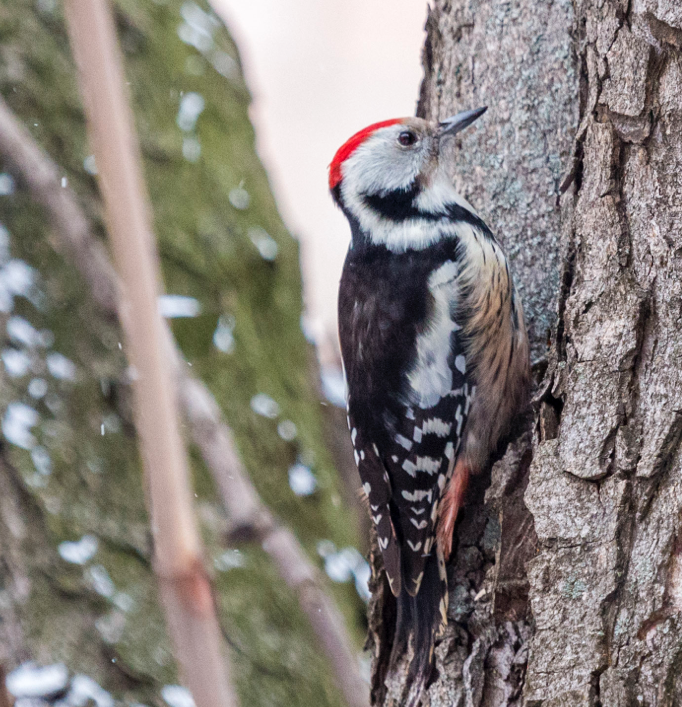
Middle spotted woodpecker

Image
Full Flickr version: Canon 6D, Canon EF 100-400L ƒ4.5-5.6 IS USM, at 400mm, ISO4000, 1/320, ƒ/5.6

Sparrow on a branch

Image
Full Flickr version: Canon 6D, Canon EF 100-400L ƒ4.5-5.6 IS USM, at 400mm, ISO1000, 1/500, ƒ/5.6

Eurasian magpie in a search for insects

Image
Full Flickr version:  Canon 6D, Canon EF 100-400L ƒ4.5-5.6 IS USM, at 400mm, ISO500, 1/500, ƒ/6.3

Icterine Warbler

Image
Full Flickr version: Canon 650D, Canon EF-S 55-250 ƒ4-5.6 IS, at 250mm, ISO100, 1/320, ƒ/7.1 

Barn Swallow cathed a fly

Image
Full Flickr version: Canon 6D, Canon EF 100-400L ƒ4.5-5.6 IS USM, at 400mm, ISO250, 1/320, ƒ/6.3 

European nuthatch in the nest

Image
Full flickr version: Canon 6D, Canon EF 28-105 ƒ3.5-4.5 USM, at 105mm, ISO2500, 1/400, ƒ/5.6 

Common Shrike chicks waiting for parrents

Image
Spotted those pair. They were unimaginably adorable. There were going to rain so they stuck together to warm up. Parents were bosy feeding them with grasshoppers so I have had a second to catch them on camera. Full Flickr version: Canon 6D, Canon EF 100-400L ƒ4.5-5.6 IS USM, at 400mm, ISO3200, 1/800, ƒ/5.6 

Eurasian Magpie (Pica pica)

Image
This young breed of Eurasian Magpie was eating something inside the tree. I have spotted it and it was to busy with its meal. It age me ability to make a shot. Flickr (Full res version): Canon 6D, Sigma APO DG EF 70-300mm f4.0-5.6, at 300mm, ISO800, 1/320, ƒ/5.6 

Barn swallow on a wire

Image
This one was sitting and watching me crawling to get to proper position of capturing. Flickr version: Canon 6D, Sigma APO DG EF 70-300mm f4.0-5.6, at 300mm, ISO320, 1/400, f7.1 The barn swallow is a bird of open country which normally uses man-made structures to breed and consequently has spread with human expansion. It builds a cup  nest  from mud pellets in barns or similar structures and feeds on insects caught in flight.   This species lives in close association with humans, and its insect-eating habits mean that it is tolerated by man; this acceptance was reinforced in the past by superstitions regarding the bird and its nest. There are frequent cultural references to the barn swallow in literary and religious works due to both its living in close proximity to humans and its annual migration.